Our Services
Trenchless Drain Repair in Tonbridge
ProFlow Drains
No-Dig Drain Repair in Tonbridge for Damaged Underground Pipework
ProFlow Drains provides no-dig drain repair in Tonbridge for homeowners, landlords, managing agents and businesses with cracked, leaking or weakened underground pipework. Using CCTV inspection and resin-based techniques, we can often restore suitable sections internally, helping avoid unnecessary excavation through gardens, driveways, floors and access routes.
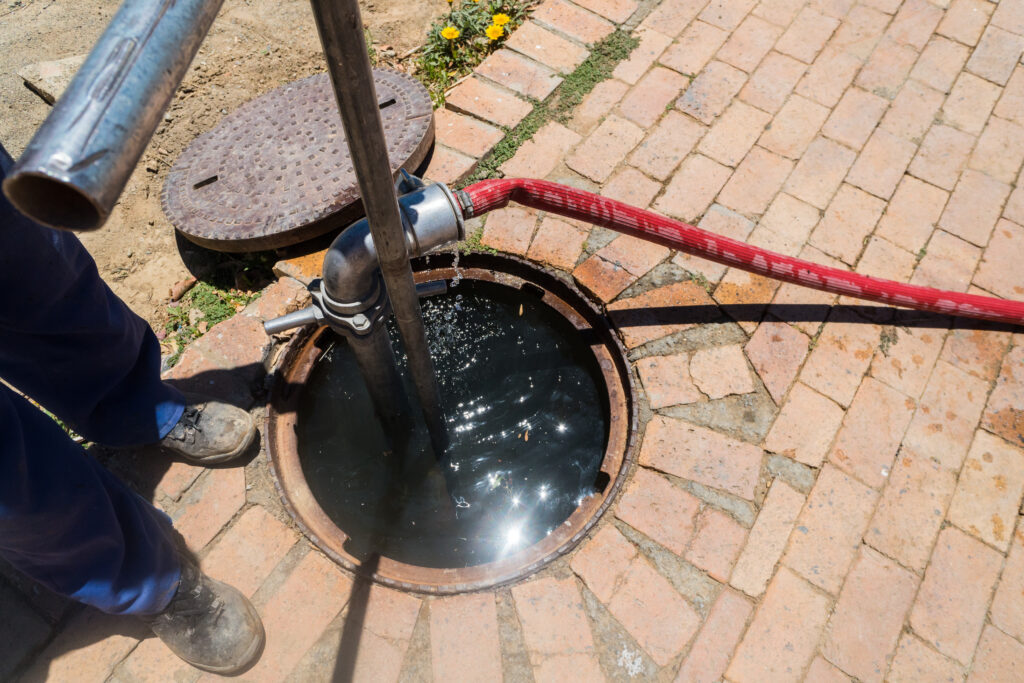
Local Specialists Focused on the Right Solution
- Specialist engineers focused on diagnosis and structural faults
- More than 60 years of combined drainage and groundworks experience
- CCTV inspection used to confirm defects before work is recommended
- Targeted resin patching for isolated damage
- Full internal relining available for longer affected sections
- Residential and commercial expertise
- Honest recommendations based on the condition of the pipework
Speak with our team on 03301 131 555 or email info@proflowdrains.co.uk.
Problems No-Dig Repair Can Solve
No-dig methods can be suitable for a range of structural defects identified during a CCTV drainage survey, particularly where the surrounding pipework remains stable enough to repair internally.
Common problems include:
- Cracks and fractures within underground pipework
- Open or displaced joints
- Localised tree root intrusion
- Small leaks and defective seals
- Worn or weakened pipe sections
- Recurring blockages caused by structural damage
- Several defects along a suitable pipe run
- Damage beneath driveways, patios, floors or other difficult-to-access surfaces
Repeatedly clearing the same blockage may only deal with the immediate symptom. Where debris is catching on a damaged joint or roots are entering through a defect, repairing the underlying fault can provide a more appropriate long-term solution.
When a Resin Patch Is the Better Option
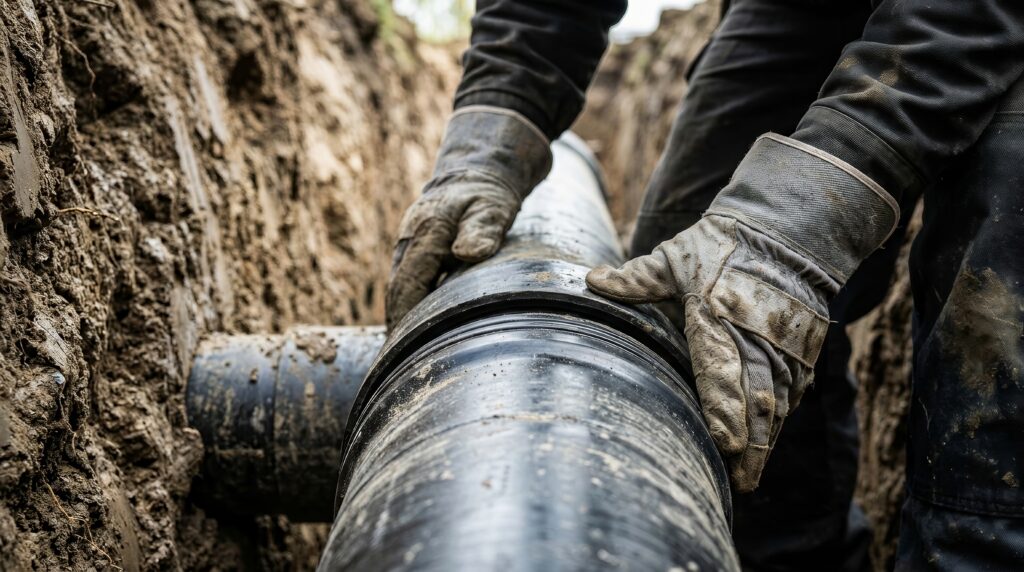
A localised resin patch is designed for one specific defect where the surrounding pipe remains serviceable. It may be suitable for an isolated crack, defective joint, small fracture, limited leak or localised root ingress.
The affected section is cleaned before a reinforced resin sleeve is positioned over the fault using specialist equipment. It is held against the internal wall while curing, creating a structural seal without replacing sound sections unnecessarily.
This can be more appropriate than treating the entire run when damage is confined to one short area. Our guide to patch repair versus relining explains how the two options differ.
When Full CIPP Lining May Be More Suitable
CIPP lining in Tonbridge may be recommended when faults extend through a longer section rather than one isolated point. A resin-impregnated liner is positioned inside the existing pipe, expanded against its internal wall and cured to form a new structural layer.
It can be suitable for several cracks, widespread joint deterioration, ageing pipework or repeated structural problems along the same run.
Where the issue is genuinely localised, however, targeted patching can avoid treating areas that remain in good condition. Find out more about our relining service.
No-Dig Repair vs Excavation
The right approach depends on the condition, position and severity of the damaged pipe.
No-dig techniques work from inside the existing pipework, so they can often reduce the need to disturb gardens, paving, flooring or commercial access areas. A localised resin patch may be suitable for one isolated defect, while drain relining can treat a longer affected section.
Excavation may still be necessary where the pipe has:
- Completely collapsed
- Become severely displaced
- Lost its original shape
- Suffered extensive structural failure
- Become inaccessible for an internal repair
We assess the system before recommending a method. The aim is not to avoid excavation at all costs, but to use the least disruptive repair that is technically appropriate for the fault found.
How We Decide Which Method Is Suitable
CCTV Inspection
We locate the fault and assess its severity, position and surrounding condition. Camera footage helps establish whether an internal solution is technically appropriate.
Cleaning & Preparation
The affected area must be properly prepared before resin is installed. This may involve water jetting or specialist removal of debris, scale or root growth.
Method Selection & Installation
We explain whether a targeted patch, longer liner or excavated solution is appropriate. After curing, a final camera inspection can check the completed work.
Recurring problems can indicate an underlying defect, so read our advice on why drains keep blocking.
When Excavation May Still Be Necessary
Internal methods are not suitable for every fault. A severely collapsed, badly displaced, deformed or inaccessible section may still need to be opened up and replaced.
We therefore diagnose the problem before recommending a method. The aim is to choose the least disruptive option that is appropriate for the condition found, rather than assuming one technique suits every property.
For more extensive structural problems, see our drain repairs service.
Frequently Asked Questions
Is a Resin Patch the Same as Full Relining?
No. A patch addresses one short, isolated defect, while full relining generally covers a longer section affected by multiple or more widespread faults.
Do You Need CCTV Before Choosing a Method?
Usually, yes. Camera inspection shows the exact position and extent of damage, as well as the condition of surrounding pipework, helping us recommend the appropriate solution.
Can a Patch Be Used for Root Intrusion?
It may be suitable where roots are entering through one localised crack or joint. The roots must first be removed and the underlying entry point assessed.
Will Every Damaged Pipe Be Suitable for No-Dig Work?
No. Major collapse, severe displacement, deformation or inadequate access can make excavation necessary. Suitability depends on what is found during inspection.
More drainage guidance is available through our frequently asked questions and Ask the Expert
Get a Clear Recommendation Before Work Starts
If you want to avoid unnecessary excavation, the first step is establishing exactly where the damage is and how much of the system is affected. ProFlow Drains can assess the fault and explain whether targeted patching, a longer internal liner or a conventional solution is the most appropriate next step.
Please call 03301 131 555 to speak to our drain repair company today about the drainage surveys we offer in Caterham, Orpington and all the surrounding areas.

9 Porters Wood.
Petteridge Lane,
Matfield,
TN12 7LR